To winterize a house, seal air leaks, protect your pipes, service your heat, clear the roof and gutters, and add attic insulation. Do it before the first freeze. In Atlanta, that freeze arrives around November 13 on average, but it has shown up as early as October 11.
Georgia winters are mild until they are not, and many homes here were built for heat, not hard freezes. Avalon Home Inspections put together this checklist so you can finish the job in a weekend or two.
What Does It Mean to Winterize a House in Georgia?
Winterizing means getting your home ready for cold weather so you avoid damage and lower your heating bill. In Georgia, the biggest risks are frozen pipes, drafts, and heating problems during a cold snap.
Cold arrives in short, sharp bursts here. Pipes in attics, crawl spaces, garages, and outside walls get little protection, and many homes have outdoor spigots and sprinkler lines that were never drained.
The National Weather Service in Peachtree City lists Atlanta’s average first freeze as November 13. The earliest on record was October 11, 1906, and the latest was December 18, 1998. NWS also counts a hard freeze as 28°F or colder for several hours. You can see the numbers on the NWS Atlanta cold-weather page.
The best time to winterize is now. Do the outdoor jobs on a mild, dry weekend in early November. Do not wait for the forecast to show a freeze.
Quick Winterizing Checklist
| Task | Why it matters | DIY or pro? | Time |
| Disconnect and drain hoses, cover spigots | Prevents burst outdoor lines | DIY | 15 minutes |
| Insulate exposed pipes | Stops freezing in attics, crawl spaces, and garages | DIY | 1 to 2 hours |
| Caulk and weatherstrip windows and doors | Keeps heat in | DIY | 2 to 4 hours |
| Replace the furnace filter | Helps your system run well | DIY | 10 minutes |
| Service heating system | Avoids a breakdown on the coldest night | Pro | 1 visit |
| Test smoke and carbon monoxide alarms | Winter is peak season for heating risks | DIY | 15 minutes |
| Clean gutters and downspouts | Moves water away from the house | DIY or pro | 1 to 3 hours |
| Check attic insulation | Reduces heat loss through the roof | DIY or pro | 1 hour to check |
| Sweep and inspect the chimney | Prevents fires and CO leaks | Pro | 1 visit |
| Store outdoor items and drain irrigation | Protects furniture and sprinkler heads | DIY | 1 to 2 hours |
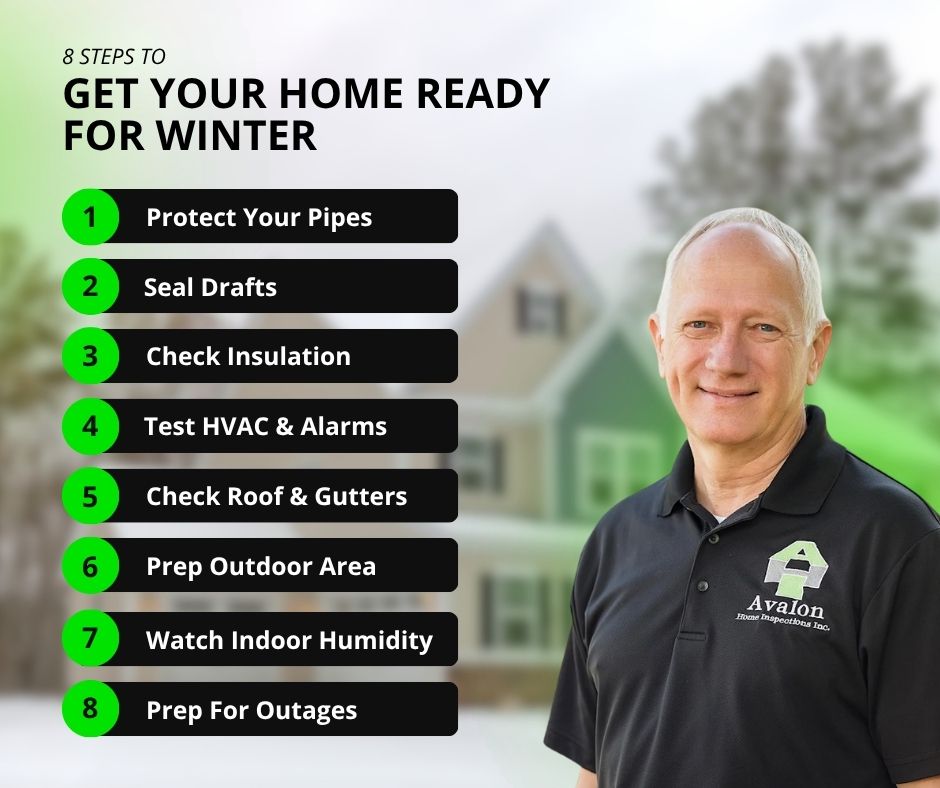
Step 1: Protect Your Pipes
Frozen pipes are the top winter danger for Georgia homes. When water freezes, it expands. That pressure can crack a pipe, and the leak often shows up when the ice thaws. Pipes most at risk are on outside walls, in crawl spaces, in attics, and in garages.
Do these jobs first:
- Disconnect and drain every garden hose. Store hoses in a garage or shed. UGA Extension also warns not to touch hoses left out in freezing weather, since frozen hoses are fragile.
- Cover outdoor faucets. Foam spigot covers cost a few dollars. If your spigot has an interior shutoff valve, close it and drain the line.
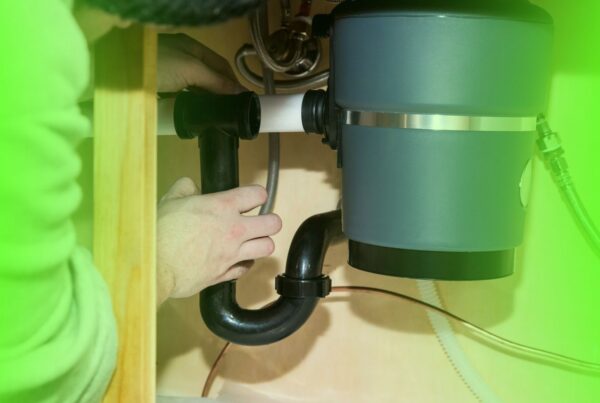
- Wrap exposed pipes. Foam pipe sleeves are easy to cut and snap on. Focus on pipes in the attic, crawl space, garage, and along exterior walls.
- Know where your main water shutoff is. If a pipe bursts, you need to stop the water fast. Our guide on where to find your main water shutoff valve shows what to look for.
- Drain your sprinkler system. UGA Extension notes that only the top few inches of soil freeze in most of Georgia, so buried lines are usually safe. Backflow valves above ground and sprinkler heads can still crack. Find your system’s drain valve and use it, as UGA Extension advises.
On the coldest nights, also try these steps:
- Open the cabinet doors under kitchen and bathroom sinks so warm air reaches the pipes.
- Let a faucet drip on any line that runs through an exposed wall.
- Keep the heat on and set the thermostat no lower than 55°F, even when you are away.
If a pipe does freeze, never use a torch or open flame to thaw it. Turn off the water at the main valve, open the faucet, and call a plumber.
Frozen pipes are costly. CBS News reported that State Farm’s average frozen-pipe claim in 2022 was just over $20,000.
Step 2: Seal Drafts Around Windows and Doors
Sealing air leaks is one of the cheapest ways to winterize a house. Cold air slips in and warm air slips out through small gaps.
Walk the house with a lit candle or a stick of incense on a windy day. Smoke that wavers or streams sideways shows a leak. Check these spots:
- Windows: Caulk cracks around the frame. Add weatherstripping where sashes meet.
- Exterior doors: Replace worn weatherstripping. Add a door sweep along the bottom.
- Electrical outlets and switches on outside walls: Foam gaskets behind the cover plates block drafts.
- Attic hatch or pull-down stairs: Add foam weatherstripping around the edge.
- Single-pane windows: A window insulation film kit adds a cheap extra layer for the season.
Older windows leak more. If your windows are fogged or hard to seal, see our post on common old window problems.
Want to see where the heat escapes? Thermal imaging shows surface temperature differences that the eye cannot see. That can point to air leaks and thin insulation. Learn more about infrared inspections and how thermal imaging works in a home inspection.
Step 3: Check Your Attic Insulation
Heat rises, so a thin layer of attic insulation lets warm air leak out through the roof. Most Atlanta-area homes sit in Department of Energy climate zone 3. The DOE recommends about R-30 to R-60 for attics in that zone. Georgia’s energy code lists R-38 for ceilings in new construction.
Here is a quick test. Look across your attic floor. If you can see the tops of the ceiling joists, you likely need more insulation. A common rule of thumb is 10 to 14 inches of blown-in or batt insulation.
When you add insulation:
- Keep soffit and attic vents open. Covered vents trap moisture, which can cause mold.
- Seal air gaps first. Plug holes around wires, pipes, and light fixtures before adding more insulation.
- Insulate the attic hatch. A cover or foam board cuts heat loss through the opening.
Our detailed guide on how much attic insulation you need covers R-values and depth.
Step 4: Service Your Heating System and Test Alarms
Heating problems are easier to fix before a cold snap than during one. Furnaces and heat pumps get less use in Georgia, and a system that sat idle all summer can fail on the first cold night.
- Replace the air filter. A clogged filter makes the system work harder. Check it monthly in winter.
- Schedule a tune-up. A licensed HVAC technician can check the burners, heat exchanger, blower, and thermostat. Our post on how long an HVAC system lasts can help you judge if it is time to replace an older unit.
- Test smoke and carbon monoxide alarms. Replace batteries now. Cold weather means closed windows and more fireplaces and heaters, which raises the risk of CO.
- Sweep and inspect the chimney. Soot, nests, and cracks can start fires or push CO indoors.
- Store firewood away from the house. Keep it at least 30 feet from the home and off the ground. This helps with fire safety and keeps pests away from your walls.
Step 5: Clean Gutters and Check the Roof
Clogged gutters send water where it should not go. Water that backs up can soak the fascia, soffit, and foundation. In freezing weather, standing water can turn to ice.
- Clear leaves and debris from gutters and downspouts. Flush them with a hose to check the flow.
- Make sure downspouts carry water at least a few feet from the foundation.
- Look for loose, cracked, or missing shingles from the ground with binoculars.
- Check flashing around chimneys, vents, and skylights.
- Look for soft spots on fascia boards and door frames. Winter dampness can soften wood and lead to rot.
See our guide to roof parts and how to maintain them.
Step 6: Prep the Yard, Deck, and Outdoor Areas
Outdoor items take a beating in winter, and a little prep saves money in spring.
| Item | What to do |
| Patio furniture | Store it in a garage or shed, or use covers |
| Wood deck and fence | Check for loose boards, then reseal if water no longer beads on the surface |
| Gas grill | Turn off the gas and store the tank outdoors in a well-ventilated spot, upright and away from the house |
| Irrigation | Drain lines and sprinkler heads |
| Foundation | Seal small cracks and gaps where mice and insects can enter |
Step 7: Watch Indoor Humidity
Cold, dry air and heated homes can swing humidity up or down. Dry air shrinks wood floors and furniture and leaves gaps. Too much moisture causes window condensation and mold.
A common target is 30 to 50 percent indoors. A small hygrometer shows the reading. Run bath and kitchen fans, fix leaks fast, and use a humidifier or dehumidifier as needed.
If you see fogged glass or damp window frames, read why film forms on the inside of windows. If you smell mustiness, it could point to hidden moisture. Our mold inspection service can test the air and surfaces.
Step 8: Get Ready for a Power Outage
Ice and wind can take down trees and power lines, even in Georgia. A short outage becomes a bigger problem if you are not prepared.
- Pack a kit with a three-day supply of water, non-perishable food, flashlights, batteries, blankets, and medicines for each person.
- Plan a safe backup heat source. Never run a generator in a garage or indoors, and never use a grill or stove for heat. These create deadly carbon monoxide.
Related Questions to Explore
- When should you winterize your house? Start in late October or early November in Georgia. Atlanta’s average first freeze is around November 13, and it can come as early as mid-October. Finish the outdoor jobs before then.
- How cold does it have to be for pipes to freeze? Water freezes at 32°F, but pipes need hours of cold to freeze. Pipes in attics, crawl spaces, garages, and exterior walls are at risk first. The National Weather Service calls 28°F or colder for several hours a hard freeze.
- What temperature should I keep my house to prevent frozen pipes? Keep the thermostat at 55°F or higher, even when you are away. Open sink cabinets and let a faucet drip on the coldest nights. Our main water shutoff guide tells you where to stop the water if a pipe bursts.
- How do you winterize a house that will be empty? Keep the heat on at 50 to 55°F, or shut off the main water valve and drain the pipes if you will be gone a long time. Have someone check the home.
- Does winterizing a house save money? Yes, in two ways. Sealing drafts and adding attic insulation cut heat loss, which can lower heating bills. Protecting pipes can help you avoid costly water damage. Savings vary by home.
When to Call a Professional
Many winterizing jobs are easy to do yourself. Finding what you cannot see is harder, and that is where an inspector helps.
- Cold rooms, high bills, or drafts you cannot trace: An infrared inspection uses thermal imaging to show heat loss and missing insulation behind walls and ceilings.
- Musty smells, damp spots, or window condensation: A mold inspection finds hidden moisture before cold weather traps it indoors.
- Thin attic insulation or an older heating system: A full home inspection checks the attic framing and insulation, heating and cooling systems, water heater, plumbing, and electrical.
- Slow drains or sewer smells: A sewer scope inspection uses a camera to check the main line for cracks, roots, and blockages.
- A new build nearing its first anniversary: An 11th-month builder’s warranty inspection catches defects while the builder is still responsible.
Avalon inspectors find the problems and give you a clear report, so you know what to fix and which pro to call. Our trusted vendors page is a good place to start.
Conclusion
Winterizing is a set of small jobs that add up to a safer, warmer home.
- Protect pipes first, since frozen pipes cause the costliest damage.
- Seal drafts and add insulation to hold heat in.
- Service your heat, test your alarms, and clear the gutters.
Finish before Atlanta’s average first freeze on November 13, and you will be ready for whatever Georgia winter brings. If you want a pro to look over your home, Avalon Home Inspections is ready to help.
Call us or schedule online today!