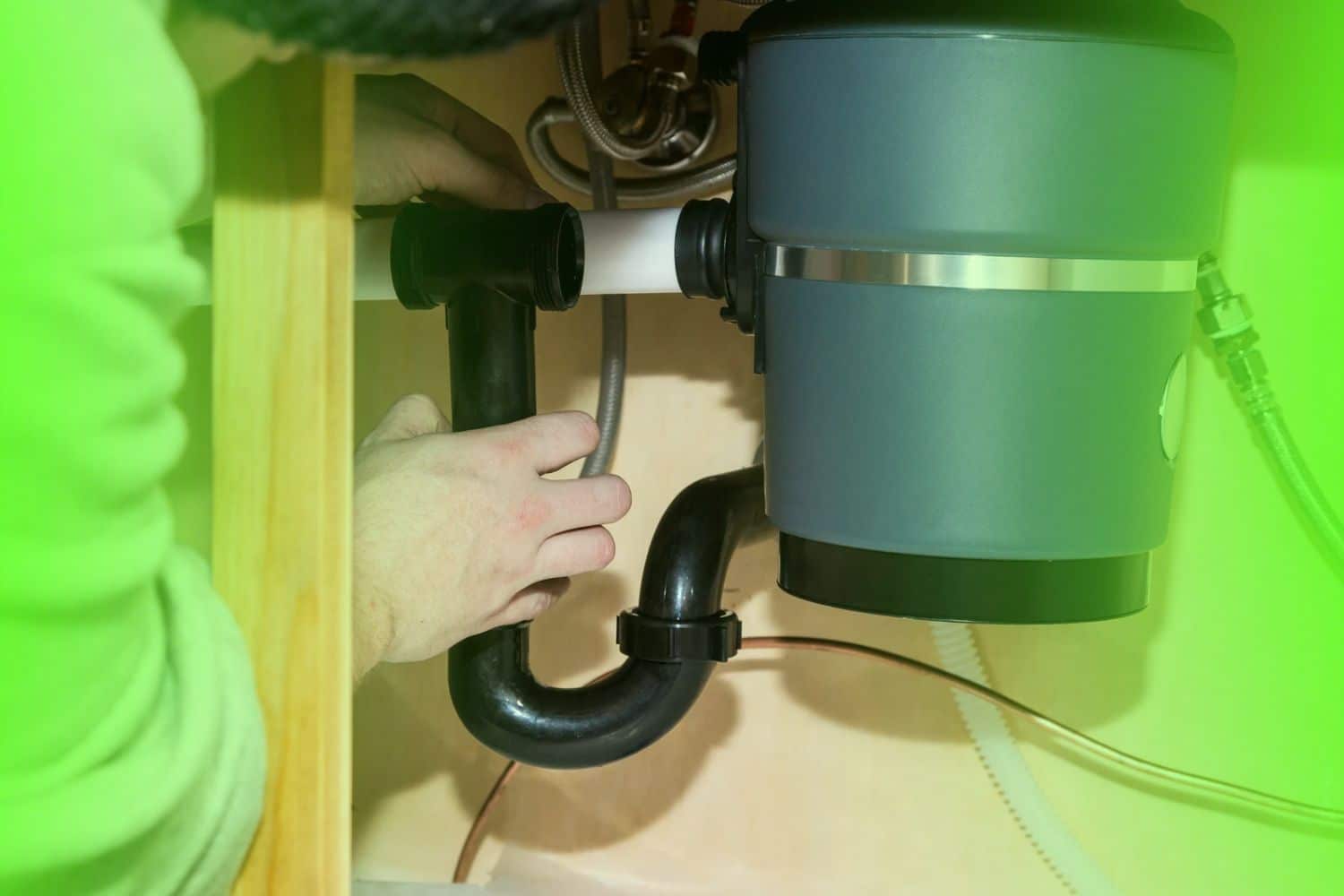
If your garbage disposal is dripping from the bottom, the most likely cause is a worn internal seal around the motor housing, and that usually means the unit needs to be replaced rather than repaired. This is different from a leak at the top, sides, or connections, which often can be fixed by tightening a mount, hose clamp, or gasket.
The location of the drip tells you almost everything about whether you are looking at a quick fix or a new disposal.
Why the Leak Location Matters
A garbage disposal has three general areas where water can escape, and each points to a different problem:
- Top of the unit, where it connects to the sink flange
- Side connections, where the dishwasher hose and drain pipe attach
- Bottom of the unit, around the motor housing and the base
Leaks from the top or side are usually mechanical: a loose mount, a worn gasket, or a slipped hose clamp. These are the kind of fixes a confident homeowner can often handle with basic tools. A leak from the bottom is a different story.
Since the bottom of the disposal houses the motor and the internal seals that keep water away from the electrical components, a drip there usually means one of those seals has worn out or cracked.
What Causes a Garbage Disposal to Drip From the Bottom
Worn Internal Seals
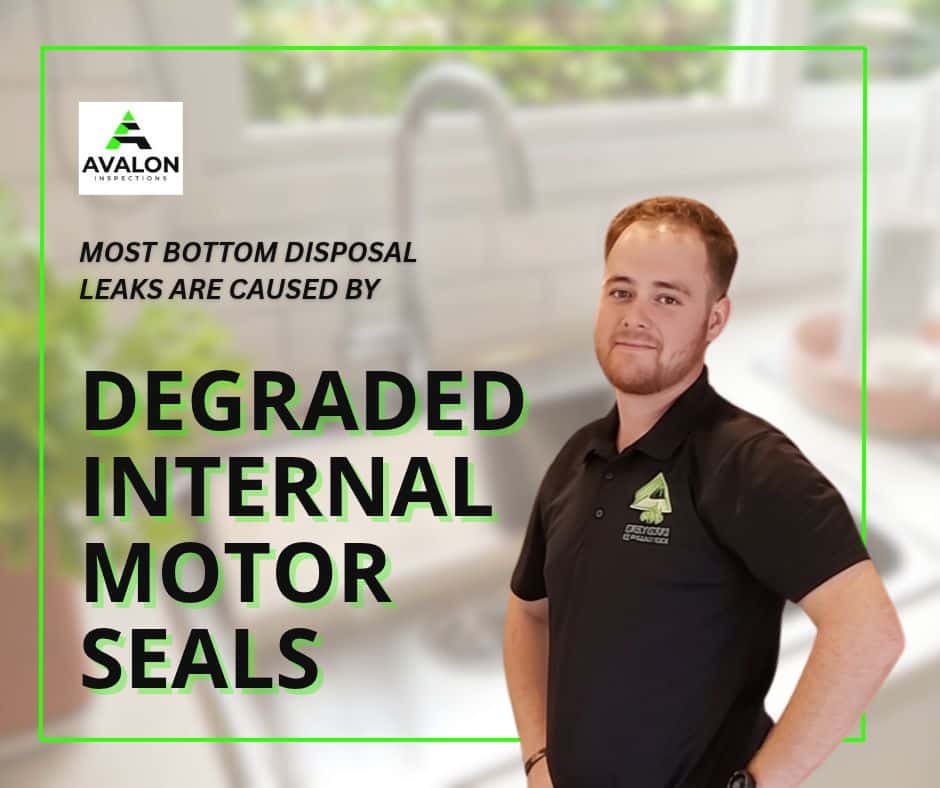
Every disposal has rubber or silicone seals that keep water out of the motor housing. Over years of use, heat, and exposure to hot water and cleaning chemicals, these seals lose their flexibility and start to let water through.
This is the most common cause of a bottom leak and, unfortunately, not something most homeowners can repair on their own since it requires opening the sealed motor housing.
Cracked Housing
Garbage disposals are usually built from stainless steel or galvanized steel with a plastic or metal housing. A crack, whether from age, a dropped object hitting the unit, or corrosion, can let water seep out from the bottom seam.
Age of the Unit
Most residential garbage disposals last 8 to 15 years. As a unit approaches or passes that range, the internal seals and housing become more prone to failure. A bottom leak on an older disposal is often the first clear sign that it is time to replace it rather than repair it.
Excess Buildup and Corrosion
Grease, food particles, and mineral buildup inside the unit can accelerate wear on internal components over time, especially in homes with hard water. This buildup can speed up seal failure well before the unit reaches the end of its expected lifespan.
How to Confirm It’s Actually a Bottom Leak
Before assuming the worst, it is worth confirming exactly where the water is coming from. A leak higher up can sometimes run down the outside of the unit and pool at the bottom, which can be mistaken for an internal leak.
Here is a simple way to check:
- Turn off the power to the disposal at the wall switch or breaker.
- Dry the entire unit and the area underneath it completely.
- Place a few drops of food coloring into the sink drain.
- Run a small amount of water without turning on the disposal.
- Use a flashlight to check the top mounting area, the dishwasher hose connection, and the drain pipe connection for colored water.
- If none of those spots show a leak, but water is still collecting at the bottom, the leak is very likely coming from inside the unit itself.
This test takes about 10 minutes and can save you from replacing a unit that only needed a tightened connection, or from wasting time trying to fix a leak that actually requires a new disposal.
Can a Bottom Leak Be Repaired?
In most cases, no. Because the leak is coming from inside the sealed motor housing, opening the unit to replace an internal seal is not a standard DIY repair, and most manufacturers do not sell individual internal seal replacement kits for this reason.
Attempting to open and reseal the housing yourself also risks damaging the motor or creating an electrical hazard.
| Leak Location | Common Cause | Typical Fix |
| Top of unit/sink flange | Loose mounting bolts, worn plumber’s putty or gasket | Tighten bolts, replace gasket |
| Dishwasher hose connection | Loose or damaged hose clamp | Tighten or replace clamp |
| Drain pipe connection | Loose slip nut, worn washer | Tighten nut, replace washer |
| Bottom of unit (motor housing) | Worn internal seal, cracked housing, age | Replace the disposal |
Most manufacturers and plumbers agree that once water is coming from the bottom of the unit itself, replacement is the standard recommendation rather than repair.
Safety Steps Before You Touch Anything
Garbage disposals combine electrical components with water, which makes safety non-negotiable.
- Switch off the power at the wall switch, and unplug the unit if it is plugged into an outlet under the sink.
- If the disposal is hardwired, turn off the corresponding breaker at your electrical panel.
- Never reach into the disposal or attempt repairs while it is powered on, even if it appears off.
- Keep the area dry while working to reduce the risk of electric shock.
If there is any uncertainty about whether the power is fully disconnected, treat the unit as live and call a licensed plumber or electrician.
Replacing a Leaking Garbage Disposal
If the leak is confirmed to be coming from the bottom, replacement is generally the right call. Here is what that process typically looks like:
- Choosing a new unit. Horsepower, noise level, and feed type (continuous vs. batch feed) vary by model and budget.
- Removing the old unit. This involves disconnecting the power, the dishwasher hose, the drain pipe, and detaching the mounting assembly.
- Installing the new unit. The new disposal is mounted to the sink flange, reconnected to the drain and dishwasher line, and wired or plugged back in.
- Testing. Running water and checking all connections for leaks before considering the job complete.
Many homeowners handle this themselves, especially if the new unit uses the same mounting system as the old one.
If your home’s wiring, plumbing configuration, or existing setup looks nonstandard, or if you are not comfortable working near live electrical connections and water at the same time, a licensed plumber is worth the cost of avoiding a repeat leak or a bigger repair down the road.
Preventing Future Leaks
A little routine care extends the life of a garbage disposal and reduces the odds of an early seal failure:
- Run cold water for 15 to 20 seconds before and after using the disposal.
- Avoid grinding grease, fibrous vegetables (like celery), or large bones, which put extra strain on the motor and seals.
- Run the disposal regularly, even briefly, to prevent rust and corrosion from sitting parts.
- Clean the unit periodically with ice cubes and a small amount of dish soap to clear buildup without damaging components.
- Avoid harsh chemical drain cleaners, which can degrade rubber seals and gaskets over time.
A Dripping Disposal Matters Beyond the Puddle
A slow drip under the sink is easy to dismiss, especially if it only shows up when the disposal is running. But standing moisture in a cabinet is one of the most common conditions that draws pests indoors, since it gives them both water and a hidden, undisturbed space to settle in.
Homeowners dealing with ants, roaches, or other kitchen pests alongside a leaking disposal may find that addressing the moisture source resolves both issues faster than treating the pests alone, which is a connection pest control specialists often point to when they inspect kitchens with a hidden leak.
Left unaddressed, a leaking disposal can also lead to:
- Water damage to the cabinet base and surrounding cabinetry
- Mold or mildew growth in an enclosed, damp space
- Warped flooring if the leak goes unnoticed for an extended period
Related Questions to Explore
- How long do garbage disposals usually last? Most garbage disposals last between 8 and 15 years, depending on usage, water quality, and maintenance habits. A bottom leak on a unit in this age range is a strong signal that it has reached the end of its service life.
- Is it safe to run a garbage disposal that is leaking? No. Continuing to run a disposal with a confirmed leak risks water contacting electrical components, which is a shock and fire hazard. Turn off the power and address the leak before using the unit again.
- Can I fix a garbage disposal leak myself? Leaks from the top mount or hose connections are often fixable by tightening or replacing a gasket, clamp, or nut. A leak from the bottom of the unit, however, typically requires professional replacement rather than a DIY repair.
- Does homeowners insurance cover a leaking garbage disposal? Coverage varies by policy and insurer. Sudden and accidental leaks are more commonly covered than damage from a leak that went unaddressed over time, so it is worth reviewing your specific policy and reporting issues early.
- What is the average cost to replace a garbage disposal? Costs vary based on the unit’s horsepower and features, plus labor if you hire a plumber. Getting a few local quotes is the most reliable way to budget, since pricing differs by region and installation complexity.
When to Call a Professional
Call a licensed plumber if:
- The leak is confirmed to be coming from the bottom of the unit (replacement is typically needed).
- You are not confident disconnecting electrical and plumbing connections safely.
- The disposal is making grinding, humming, or buzzing noises in addition to leaking.
- Water damage is already visible on the cabinet floor or surrounding wood.
If you are buying or selling a home and want a full picture of plumbing and appliance conditions before they become a problem, a general home inspection covers the kitchen’s plumbing connections, water heater, and built-in appliances as part of a complete evaluation, which can catch a slow disposal leak before it causes damage.
Conclusion
A garbage disposal dripping from the bottom is one of the more clear-cut plumbing issues out there. Once you have confirmed the leak is coming from the unit itself and not a loose connection above it, replacement is almost always the right move, both for safety and to avoid water damage under the sink.
If you are buying a home in the Atlanta, GA area and want a full evaluation of the plumbing, appliances, and everything else before you close, Avalon Inspections can help.